

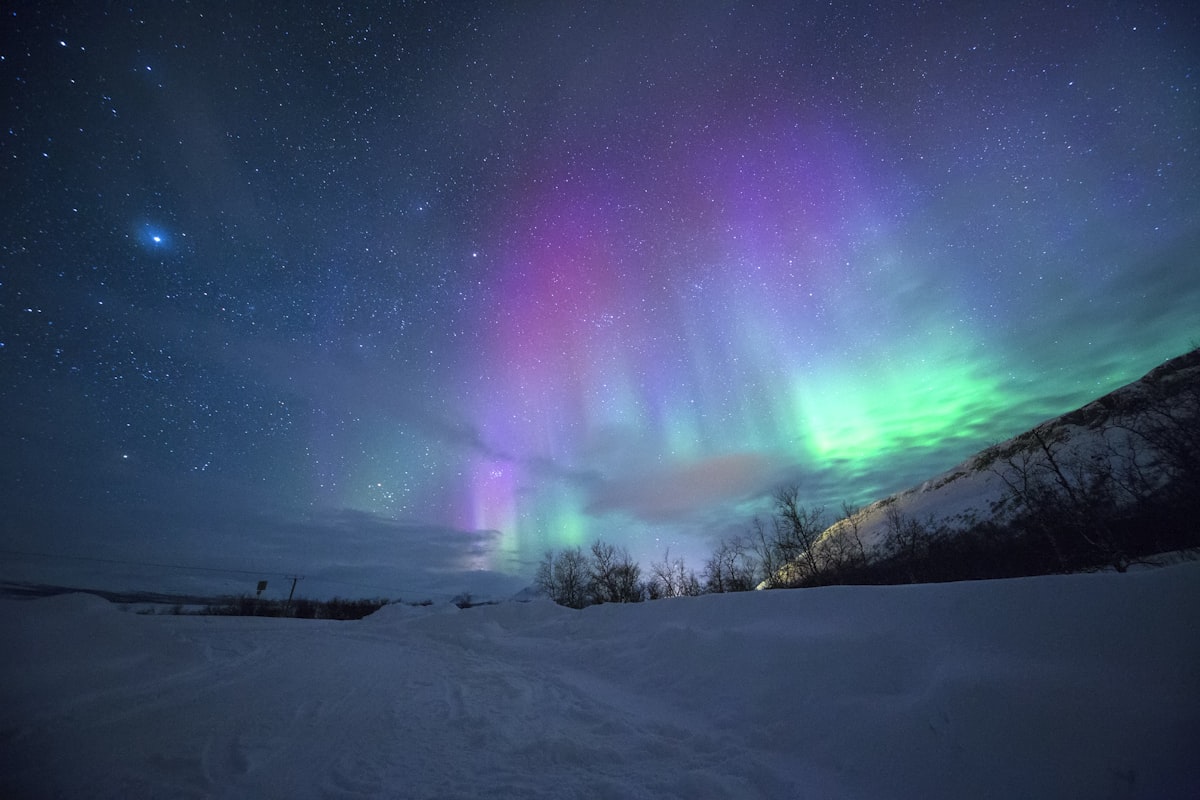
Lapland is a region in the north of Norway, Sweden, Finland, and Russia. It is known for its vast wilderness, breathtaking natural landscapes, and the indigenous Sami culture. Lapland is characterized by its cold climate with long winters and short summers — and that is precisely what makes it a fascinating destination for winter expeditions.
About Laisvallby
Laisvallby is a small settlement in the municipality of Arjeplog in the northern part of Sweden. The settlement lies in the Lapland region, about 10 kilometers northwest of the village of Laisvall and about 150 kilometers northwest of Arjeplog.
Laisvallby is surrounded by forests, mountains, and lakes and offers residents and visitors access to pristine wilderness and outdoor recreational opportunities. It is a sparsely populated area with few permanent residents.
History of the Region
Laisvall and the surrounding areas have a rich history dating from antiquity, with evidence of Sami reindeer herding and indigenous settlement of the region. The area was previously inhabited by the Sami people, who made their living in traditional ways through reindeer herding, fishing, and hunting.
In recent centuries, the region has been influenced by Swedish colonization, mining activities, and infrastructure development. Mining was a significant economic sector; the village of Laisvall served as a center for mining operations that extracted minerals such as lead, zinc, and silver.
Economy and Culture
The economy of Laisvallby is based on traditional livelihoods such as forestry, fishing, and small-scale agriculture. Sami traditions such as reindeer herding, handicrafts, and yoik singing are still practiced.
Laisvallby offers numerous outdoor recreation opportunities in every season: hiking, fishing, berry picking, cross-country skiing, snowmobiling, and wildlife watching. Nearby national parks such as Padjelanta National Park and Stora Sjöfallet National Park provide protected habitats.
Lapland in Winter – What to Expect
Lapland is characterized by a cold climate with long winters and short summers. Temperatures in the winter months can drop well below -20°C. The region is home to diverse wildlife adapted to the extreme conditions.
Wildlife in Winter
Reindeer (Rangifer tarandus): Reindeer are well adapted to the Arctic environment. They forage for lichens and mosses under the snow, digging through the snow cover with their specialized hooves. Reindeer herds may move to lower elevations in winter to find food.
Moose (Alces alces): Moose are found in the forests of Lapland and feed in winter on woody vegetation such as twigs, branches, and bark.
Arctic fox (Vulpes lagopus): Arctic foxes have thick fur coats that insulate against the cold. They are opportunistic feeders and search in winter for small mammals, birds, and carrion.
Wolverine (Gulo gulo): Elusive carnivores with thick fur and large, snowshoe-like paws. They feed on a variety of prey.
Ptarmigan (Lagopus spp.): Cold-adapted birds with feathered feet that act as snowshoes. They feed on buds, twigs, and seeds.
Snowy owl (Bubo scandiacus): Large white birds of prey that breed in the Arctic and overwinter in northern regions such as Lapland.
Bushcraft in Lapland
Bushcraft in Lapland allows enthusiasts to immerse themselves in the region’s pristine wilderness and improve their outdoor survival skills in a challenging environment.
The vast forests, rugged mountains, and remote tundra of Lapland provide the ideal setting. Bushcrafters can practice skills such as building shelters, lighting fires, foraging for food, navigation, and tracking wildlife.
Seasonal Considerations
Bushcraft in Lapland varies by season. Winter bushcraft is about building snow shelters, carving ice tools, and learning survival skills in sub-zero temperatures.
Traditional Skills
Bushcraft in Lapland often incorporates traditional Sami survival techniques: using a Puukko (traditional Finnish knife), making birch-bark containers, weaving with natural fibers, and setting traps.
Gear for Lapland
Bushcraft in Lapland requires specialized gear adapted to the climate and terrain:
- A high-quality bushcraft knife
- Sturdy footwear
- Multi-layer clothing for insulation
- A reliable fire-starter kit
- A robust backpack
- Navigation tools such as map and compass or GPS device
Safety Considerations
Bushcrafters should be prepared for the challenges and risks associated with surviving in the Lapland wilderness: extreme weather conditions, wildlife encounters, and navigation hazards. Safety has priority — basic first-aid knowledge, emergency communication devices, and informing others about the itinerary are essential.
Lapland – A Brief Historical Overview
Lapland’s history is rich and varied. Archaeological evidence suggests that the region has been inhabited by humans since the end of the last ice age about 10,000 years ago. The indigenous Sami people developed a distinct cultural identity based on reindeer herding, shamanism, and a nomadic lifestyle.
During the Viking Age (8th to 11th century), Norse expansion into northern Scandinavia led to increased contact with the Sami people. Norse settlers established trading posts and began to exploit the resources of Lapland, particularly furs and hides.
Throughout history, Lapland came under Swedish and Finnish control. The Sami were subjected to assimilation efforts, including forced conversion to Christianity. During World War II, Lapland became a battlefield — the Lapland War (1944–1945) led to widespread destruction through the scorched-earth tactics of the retreating German forces.
Today, Lapland is a popular tourist destination thanks to its natural beauty and the indigenous Sami culture. The Sami people continue to advocate for their rights to land, self-determination, and cultural preservation.
Conclusion
Laisvallby and the surrounding wilderness of Lapland offer adventurers and nature lovers alike exceptional experiences. The combination of extreme winter landscape, rich wildlife, and the vibrant Sami culture makes this region one of the last true wilderness areas in Europe. A winter tour there requires careful planning and preparation — but it also offers unforgettable impressions of a world far from the everyday.