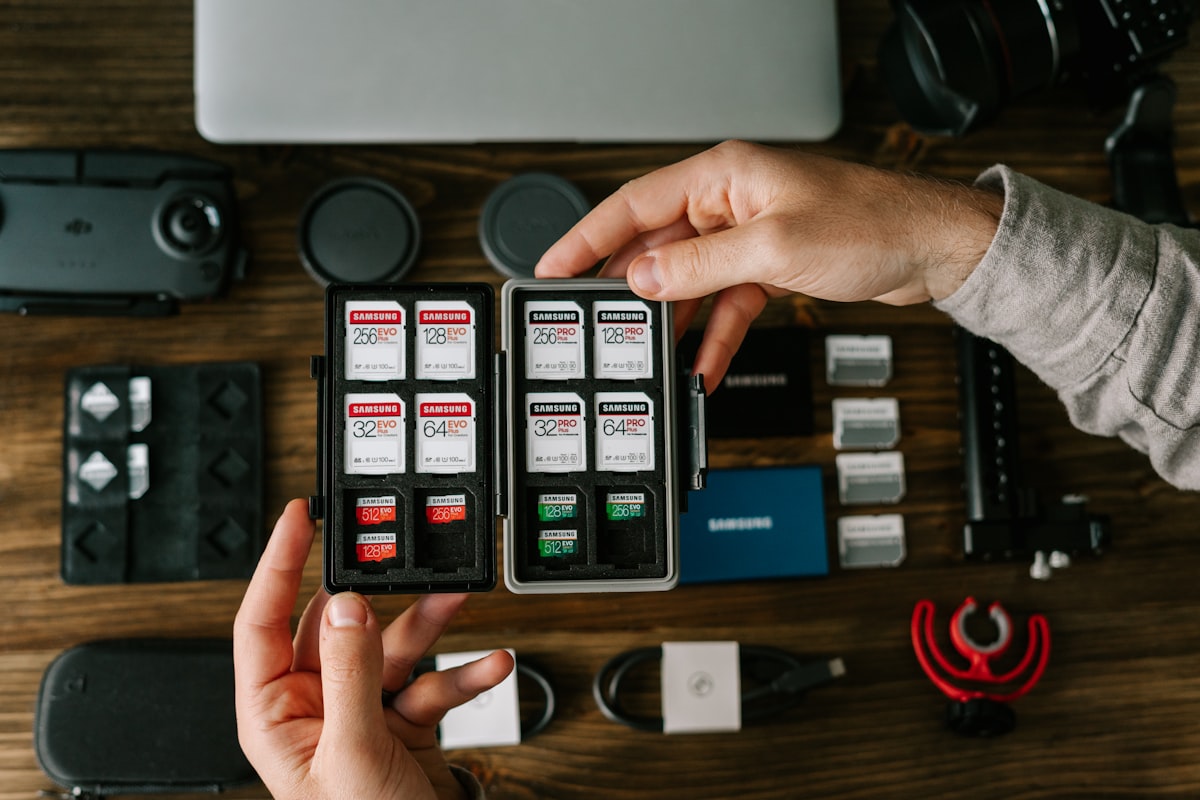
Everyday Carry (EDC) refers to the items people carry with them every day to help them manage their daily lives. These items are typically practical, functional, and intended for everyday needs or challenges.
What Is the Difference Between an Everyday Carry (EDC) and a Get Home Bag (GHB)?
While Everyday Carry (EDC) and a Get Home Bag (GHB) are both focused on personal preparedness, they serve different purposes and are designed for different scenarios.
Everyday Carry (EDC)
Purpose: EDC is a set of essential items people carry with them daily to handle everyday needs and challenges.
Scope: EDC items are generally compact and lightweight. They focus on convenience and versatility for everyday situations and are not intended to sustain a person over an extended period.
Examples: Pocket knife, flashlight, multi-tool, wallet, keys, phone, and other small, practical tools.
Get Home Bag (GHB)
Purpose: A get-home bag is meant to help someone get safely from their current location to home or a safe place in an emergency or unexpected situation.
Scope: GHBs are more comprehensive than EDC kits and typically contain items that can sustain a person over longer periods. They include additional survival gear, food, water, clothing, and tools.
Examples: Compact shelter, water purification tablets, energy bars, change of clothes, first-aid kit, map, and emergency tool set.
What Is an EDC in General?
EDC items can vary greatly depending on lifestyle, profession, and personal preferences. Common everyday items include:
- Pocket knife: Useful for various tasks, from opening packages to cutting cables.
- Flashlight: A compact flashlight for low-light conditions or emergencies.
- Wallet: Essential for carrying ID, credit cards, and cash.
- Keys: House, car, and any other keys needed daily.
- Phone: For communication, navigation, and various applications.
- Watch: Some people include a wristwatch to keep track of time.
- Pen and notepad: Useful for jotting down notes or ideas.
- First-aid items: Bandages, pain relievers, or other small medical supplies.
- Multi-tool: A versatile tool with pliers, screwdrivers, and other functions.
- Lighter: Useful for lighting candles or for other purposes.
Everyday Carry (EDC) for the Outdoors
An outdoor EDC is designed to meet the specific needs and challenges of outdoor environments. Possible items:
- Multi-tool or knife: Durable and versatile for outdoor tasks.
- Flashlight or headlamp: For low-light conditions while camping or hiking.
- Compass: For navigation, especially in areas without cell signal.
- Map: A paper map as a complement to electronic navigation tools.
- Fire starter: Waterproof matches, lighter, or fire starter.
- Water purification: Water purification tablets or a compact water filter.
- Compact first-aid kit: With bandages, antiseptic wipes, and pain relievers.
- Paracord: Versatile and robust for various tasks.
- Whistle: For communication and emergency signaling.
- Emergency blanket: Compact and lightweight for emergency shelter.
A Sample EDC for Extreme Winter Conditions
An EDC for extreme winter conditions should include:
- Insulated winter jacket: Warm and waterproof.
- Insulated gloves: High-quality, suitable for sub-zero temperatures.
- Winter hat: Covers the ears for warmth.
- Scarf or neck gaiter: Protection against cold wind.
- Thermal layers: Thermal underwear for temperature regulation.
- Waterproof boots: Insulated and waterproof.
- Hand and foot warmers: Disposable warmers for icy conditions.
- Multi-tool: For various tasks, including breaking ice.
- Flashlight or headlamp: Winter days are shorter.
- Emergency whistle: For emergency signaling.
- First-aid kit: With bandages, pain relievers, and personal medications.
- Navigation tools: Map and compass as backup.
- Energy snacks: Compact and high in calories.
- Insulated water bottle: Prevents water from freezing.
- Emergency blanket: Lightweight and compact for additional warmth.
My Approach to Organizing It
Looking at the various definitions, you quickly notice overlaps. Where exactly does the line run between an EDC and a GHB?
On a typical workday, we usually drive to an office in the nearest city. The route runs, for example, 20 km along remote country roads. By definition, you would have to carry an EDC and a GHB. The EDC is carried on the body at all times and the GHB is in the car. What happens if the use case for a GHB arises while you are between the car and the office?
There is no clear delineation between the use cases here. I therefore prefer a different form of organization.
First, redundancies in the individual gear bags are eliminated. Do I really need two small knives? I divide the items among possible storage locations: the car, a smaller backpack, and the pockets of clothing. I also assume that I have direct access to the car nearby. I define a crisis as any period in which it seems necessary to use supplies because regular operations are not taking place.
Sample Material Distribution
The following list serves only to illustrate the concept.
In the Car
- Additional water supply (e.g., 4 liters)
- Sleeping bag or blanket
- Emergency food (e.g., 4 portions of NRG5 at 2,500 kcal each)
- Fuels (2 l alcohol) and emergency stove with cups
- Large first-aid kit (also for refilling the backpack)
- Sturdy footwear
In the Backpack
- Waterproof boots (light and compact)
- Power bank, flashlight, GPS, compass, map(s)
- IFAK for one person
- 1 liter of water
- Emergency food (500 g / 2,500 kcal NRG5)
- Poncho, tea light, lighter
- Additional items as needed
In the Clothing
- Water purification tablets
- Pocket knife or multi-tool
- Emergency blanket (also as an emergency poncho)
- Additional items as needed
Conclusion
I have presented a slightly different concept here that blurs the lines between EDC and GHB. This approach does not work for everyone, but it can be quickly adapted to individual needs. The key is that the elements of the emergency kits — whether EDC or GHB — are regularly checked for functionality. Beyond that, regular training with the individual components is essential, since only this allows quick and correct action when needed.
Regards, Sven